The regional approach of tomorrow
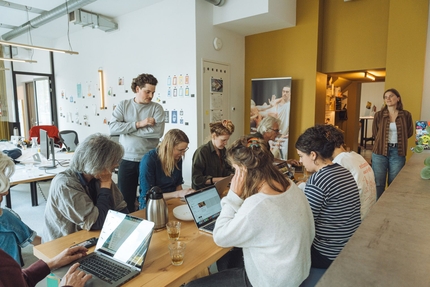
The Amsterdam Economic Board understands that interpreting the way in which people in the region will live in ten or twenty years from now is crucial to get a different outlook on issues related to welfare and prosperity. Therefore, it has taken the initiative with a group of 25 stakeholders to conduct Reframing research on the theme of prosperity and quality of life to gain insight on the citizens’ future behaviours, and to enable new ways of working together in the region.
The major, complex issues of the future require society to adapt and move along faster and faster. Demanding indeed for an unprecedented collaboration between sectors. This creates the opportunity to build new networks for tackling social challenges and to mirror the diversity of the world’s point of views into the leadership rooms. These conversations, and sessions – that bring a more varied palette of ideas – are an important contribution in support of the ongoing regional cultural transformation.
New identities, new norms, new expressions
Societal change can only be sustained when it can be embedded in culture. Or in other words, facilitating and supporting cultural transformation is key to initiating effective innovation.
With this principle in mind, we began recognising three main components for cultural transformation within society and the metropole region: the people and their belief systems, the shared set of norms and attitudes, and the created artefacts and technological inventions.
We identified nine different ways people can give meaning to quality of life in the changing world of tomorrow. These are nine ways to empower people to form value and express welfare, depending on the type of resources people are entrusting upon. Once converted into design challenges, these can assist regional organisations in translating welfare and wellbeing into actionable initiatives.
So, how exactly can we encourage peoples’ expressions to be central in the definition of welfare?
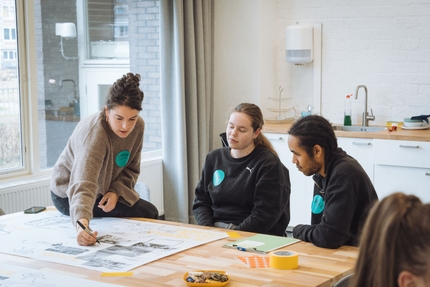
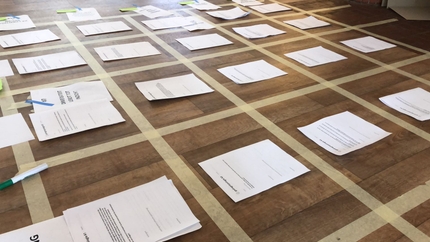
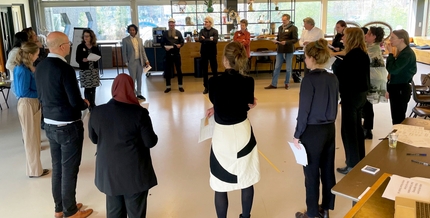
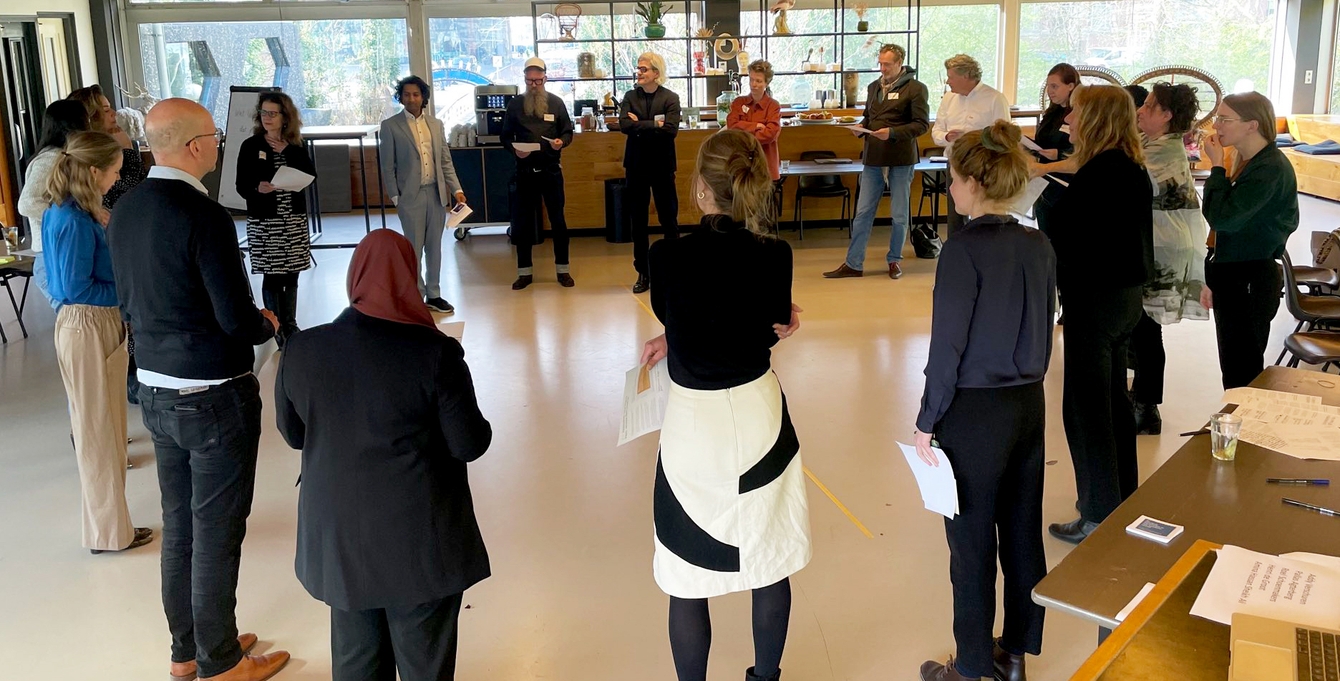
First, we make sure to create space; emotional, physical, and mental space in the overcrowded society of tomorrow. It is easier said than done, and in our session in June 2023 it became clear how essential it is to first make sure to align on the values that will guide our designs before starting to ideate on possible solutions.
There was consensus among the stakeholders on many priorities set by the region, but fundamental concepts like a.o. ‘ownership, contribution, identity’ had different meanings for different groups.
After, and only after, having set shared understandings, it is possible to dive into the questions raised in the presented framework. And together explore possible answers to them: How can people find a sense of purpose in their contribution to society? Which new social roles are arising? How can alternative ways of growing personal identity can be recognised? What is the relationship with the act of making and the connection to new digital physicalities? What does the new form of ownership look like?
Refine the questions
We believe that there is more to be done. The future framework we sketched, opened to countless inspiring directions, facing us with the urgency of liberating society from old concepts of wealth and prosperity, while allowing us to express the full palette of what welfare entails. And with this urgency in mind, we continue developing sessions for the Amsterdam Economic Board, currently on the theme of Health and prevention, and exploring new ways of collaborating for the future of the region.